
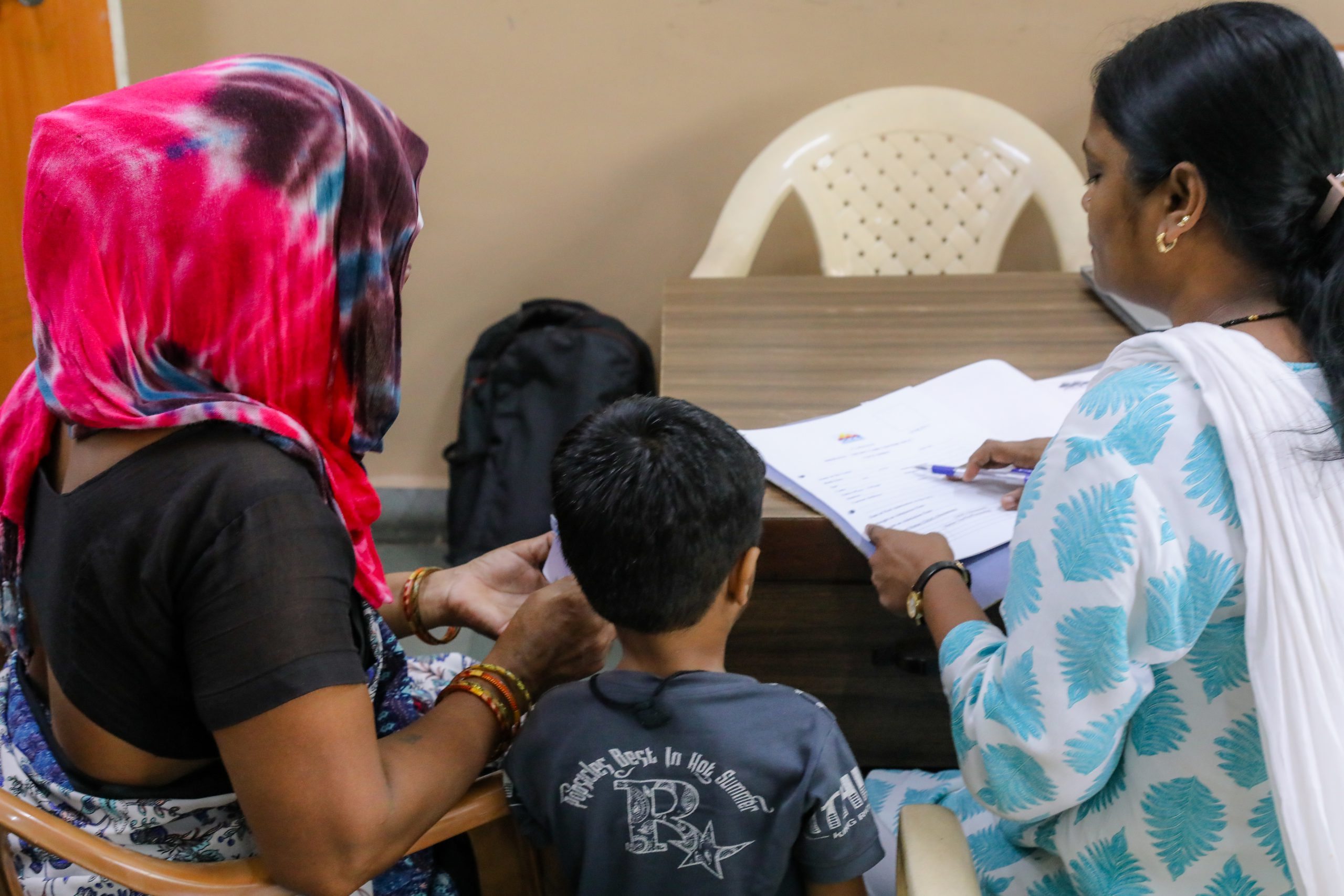
“Manodhairya”, which translates to ‘courage or fortitude of the mind’, is a Maharashtra Government scheme that provides financial assistance and rehabilitation support to victims of:
- Rape: Cases punishable under Sections 64, 64(2), 66, 67, 68, 70 and 71 of the Bharatiya Nyaya Sanhita, 2023 (BNS), or under the corresponding Sections 375, 376, 376(2), 376A, 376B, 376C, 376D and 376E of the Indian Penal Code (for cases till July 2024, when BNS came into effect).
- Child sexual violence: Sexual assault of children (boys and girls) under Sections 3, 4, 5 and 6 of the Protection of Children from Sexual Offences (POCSO) Act, 2012.
- Acid attack: Matters under Sections 326A and 326B of the IPC, or 124(1) and 124(2) of the BNS.
- Attacks using inflammable or explosive substances: Matters in which assault has been made using petrol, diesel, kerosene or cooking gas.
- Minor girls rescued in police raids: Girls below the age of 18 who are victims of rape or sexual assault and were rescued in police raids under the Immoral Traffic (Prevention) Act, 1956.
Origin of Manodhairya
The Hon’ble Supreme Court of India, in multiple cases since 2011, such as Delhi Domestic Working Women’s Forum vs Union of India, had given directions to initiate schemes for financial assistance for the victims of rape, or in Laxmi vs Union of India, where the court had given directions to provide a scheme for financial assistance for victims of acid attacks, and the ongoing need to support the rehabilitation of victims under the POCSO Act.
Through a Government Resolution (GR) in 2013, the Maharashtra Government noted: While there is a need to award stringent punishment to the accused persons who commit rape, sexual assault against children, and acid attack, it is equally necessary to restore the dignity and ensure rehabilitation of the victims. Accepting the principle of restorative justice, there is a need to provide support to these women and children to help them overcome the mental and physical trauma caused by the violence and to provide immediate financial support, as well as counselling, shelter, medical, and legal assistance.
To ensure restorative justice for victims of rape, acid attack, and sexual assault against children, the government announced the Manodhairya Scheme (effective from 2nd October 2013) for cases occurring inside the State of Maharashtra.
Currently, the Maharashtra State Legal Services Authority (MSLSA) and the District Legal Services Authorities (DLSA) are responsible for the execution of the scheme. Every district has a District Committee, constituted by the DLSA, which considers claims under the scheme. On 25th June 2026, MSLSA issued fresh Guidelines for DLSAs (Notification No. MSLSA/2026/2666) for the implementation of the Revised Manodhairya Scheme. These Guidelines supersede MSLSA’s earlier notification of 22nd February 2018 and are read with the Government of Maharashtra’s Government Resolution of 1st January 2024. If any provision of the Guidelines conflicts with the Revised Manodhairya Scheme, the Scheme prevails.
The idea behind the scheme is simple: financial assistance is a right of the victim, not charity. The victims would receive not only medical treatment but also legal aid, counselling, and help for rehabilitation from the state government as part of the scheme.
What Support Does the Scheme Offer?
Rehabilitation under the Manodhairya Scheme goes beyond just financial payouts, offering a holistic approach to healing:
- Financial Assistance: Depending on the severity of the incident, victims are provided financial assistance up to ₹3,00,000. In special or severe cases, such as those involving permanent disability, gang rape, death, or severe disfigurement from acid attacks, the compensation can go up to ₹10,00,000.
- Immediate Medical Relief: Within 7 days of the DLSA receiving the necessary documents (the copy of the FIR/complaint, the medical report and the investigating officer’s preliminary investigation report), an amount of ₹30,000 is disbursed to the victim to cover urgent medical treatment and care.
- Long-Term Financial Security: To ensure the victim’s future is protected, 75% of the total sanctioned amount is placed securely in a 10-year fixed deposit in the victim’s name. The remaining 25% (which includes the initial ₹30,000) is given directly to the victim or their family.
- Comprehensive Care: Victims are entitled to free medical services at both government and private hospitals, alongside specialized care for HIV/AIDS if needed. The scheme also ensures victims receive shelter, free legal aid, psychological counselling, and education, professional or vocational training, including training for self-employment. For shelter and rehabilitation, the Committee coordinates with the State Government as per the GR of 29th March 2023 on “Shakti Sadan”.
Why is it important?
Victims face medical bills, counselling, lost school years, lost jobs, and the cost of travelling for the investigation and trial. Many are cut off from family and community.
- Faster help. Under the Maharashtra Victim Compensation Scheme, the court recommends compensation. Under Manodhairya, a court recommendation is not a precondition for the application: the District Committee decides, so a victim does not have to wait years for a verdict. The scheme provides ₹30,000 for medical treatment within seven days of the DLSA receiving the papers.
- It goes beyond money. The Committee can arrange shelter, counselling, medical and legal help, education, vocational training, and protection for the victim and witnesses until the conclusion of the trial. It also periodically reviews the progress of the investigation.
- It protects privacy. Even in cases where the Committee needs to review the application, they are required to do so by giving the victim/applicant a chance to present their case. The proceedings are held (in camera) in private. The victim’s identity must never be disclosed, and the proceedings are confidential and cannot be printed, published, telecast or posted in any public forum.
- It is meant to cover everyone. Foreign nationals harmed in Maharashtra are eligible, based on the Supreme Court ruling in Chairman, Railway Board v. Chandrima Das.
- A child’s “consent” does not matter under POCSO, so a child victim is eligible either way.
How Can the Scheme Be Accessed?
Applications are handled by the District Committee constituted by the District Legal Services Authority (DLSA) in each district, which has exclusive jurisdiction over applications received under the scheme in that district. The District Committee may also, with intimation to MSLSA, call for any application moved before any DLSA in the State for disposal.
The primary responsibility for initiating the process lies with the police. As soon as a rape, acid attack or ITPA incident is reported and registered, the Station House Officer (SHO) of the police station, through the SP/DCP, must forward the copy of the FIR/complaint, the medical report and the investigating officer’s preliminary investigation report to the Secretary of the District Committee and the District Woman Welfare Officer within one hour, by e-mail or any other mode.
Who can apply?
An application for interim or final compensation can be filed by:
- the victim or her/his dependents or legal heir;
- the Station House Officer of the area; or
- any person or NGO, or any Commission, espousing the cause of women.
Where the victim is a child, the application can be made on the child’s behalf by a parent, guardian, NGO or Commission. Where the victim is a mentally ill person (within the meaning of the Mental Healthcare Act, 2017) or a mentally challenged person, it can be made by the person with whom the victim normally resides, a duly authorised medical officer, or an NGO.
What needs to be submitted?
The application is made in the prescribed proforma (Annexure-I) to the DLSA, along with:
- a copy of the FIR (or, where the police have not registered an FIR, the complaint made to the court, with the reasons for non-registration);
- the medical report, and the death certificate in case of death;
- the victim’s statement recorded under Section 183 of the Bharatiya Nagarik Suraksha Sanhita, 2023 (BNSS) or Section 164 of the Code of Criminal Procedure, 1973, if recorded;
- the copy of the judgment or the court’s recommendation, if the trial is over; and
- newspaper reports, if any.
At the time of disbursal, the Committee also obtains an undertaking from the applicant in the prescribed form (Annexure-II).
Who sits on the Committee?
The Committee is headed by the Principal District Judge/Chairperson, DLSA as the President and comprises six other members:
- The Commissioner of Police/Superintendent of Police or their nominee.
- Resident Deputy Collector / Additional Collector / Senior Officer of the Municipal Corporation.
- The Civil Surgeon or his/her nominee.
- A woman who has experience in the field of empowerment of women and children, nominated by the Chairperson, DLSA.
- The District Woman and Child Development Officer.
- The Secretary of the DLSA, who is the Member Secretary of the Committee.
The quorum for any sitting of the Committee is three members.
How much compensation is available in each case?
| Type of case | Maximum Amount |
| Rape causing permanent mental or physical disability to the victim | Up to ₹10 lakh |
| Gang rape with grievous physical injury to the victim | Up to ₹10 lakh |
| Rape leading to death (earning or non-earning woman) of the victim | Up to ₹10 lakh |
| Cases of Rape not covered by the above category | Up to ₹3 lakh |
| POCSO Case of sexual violence causing permanent mental or physical disability | Up to ₹10 lakh |
| Cases under POCSO not covered in the above category | Up to ₹3 lakh |
| Acid attack causing disfigurement or permanent disability | Up to ₹10 lakh |
| Other acid attack cases not covered by the above category | Up to ₹3 lakh |
Out of the total amount of compensation awarded, 75% is kept in the bank as a fixed deposit in the name of the victim for a period of 10 years. The remaining 25% is immediately made available to the victim. This includes the ₹30,000 for medical treatment.
Within these limits, the Committee considers factors such as the gravity of the offence and the physical or mental harm suffered; medical, counselling, funeral and travel expenses; loss of education or employment; the relationship of the victim to the offender; whether the violence was a single incident or took place over a period of time; pregnancy, sexually transmitted disease or HIV resulting from the offence; any disability; the financial condition of the victim; and, in case of death, the age, monthly income, dependents and future prospects of the deceased.
When is the final relief decided?
The Committee must direct disbursal of the balance amount as final instalment within one month of the date on which the victim gives evidence in the criminal trial, or within one year of receiving the application where the recording of evidence has been unduly delayed for reasons beyond the victim’s control, whichever is earlier. If final relief is awarded before the victim’s evidence is recorded, the Committee must give its reasons in writing. A copy of the Committee’s order is forwarded to the concerned court and to the victim or dependent.
Can an application be rejected?
Yes, but only on limited grounds. The Committee may reject an application where it is of the considered opinion that:
- the applicant failed to take, without delay, all reasonable steps to inform the police or another appropriate body or person of the circumstances of the offence;
- the applicant failed to cooperate with the police or courts in trying to bring the accused to justice;
- the applicant failed to give reasonable assistance to the Committee in connection with the application;
- the applicant has already lodged a claim for the same injury under this scheme and it has been decided; or
- the applicant, after filing the complaint, deliberately did not support the prosecution (turned hostile) during the trial.
Importantly, an application cannot be rejected without giving the applicant/victim an opportunity of being heard and without assigning reasons in writing.
Challenges
- Many victims, families and officials do not know the scheme exists. Benefits are often not claimed because of ignorance or procedural bottlenecks.
- For many victims and their families, the lack of bank accounts or access to identity documents also pose a challenge in accessing the support.
- The Guidelines do not provide an appeal mechanism. A victim who is not satisfied with a rejection or with the amount has no system within the current structure to appeal.
- The Guidelines require the Committee to hear the applicant and give written reasons before rejecting an application, and to send a copy of its order to the victim or dependent. In practice, however, rejections and the grounds for them are often not communicated to families.
- Although the Guidelines do not make compensation dependent on the court’s verdict, in some cases the Committee keeps its decision on financial assistance subject to the court’s decision. Courts often take longer than 5 years to complete a trial, which means the victim can be left without financial assistance for years.
- Due to limited availability of funds and challenges in allocating them, there is often a substantial delay in the family actually receiving the financial assistance, even after approval by the Committee. The timelines described in the GR and Guidelines are hardly ever met.